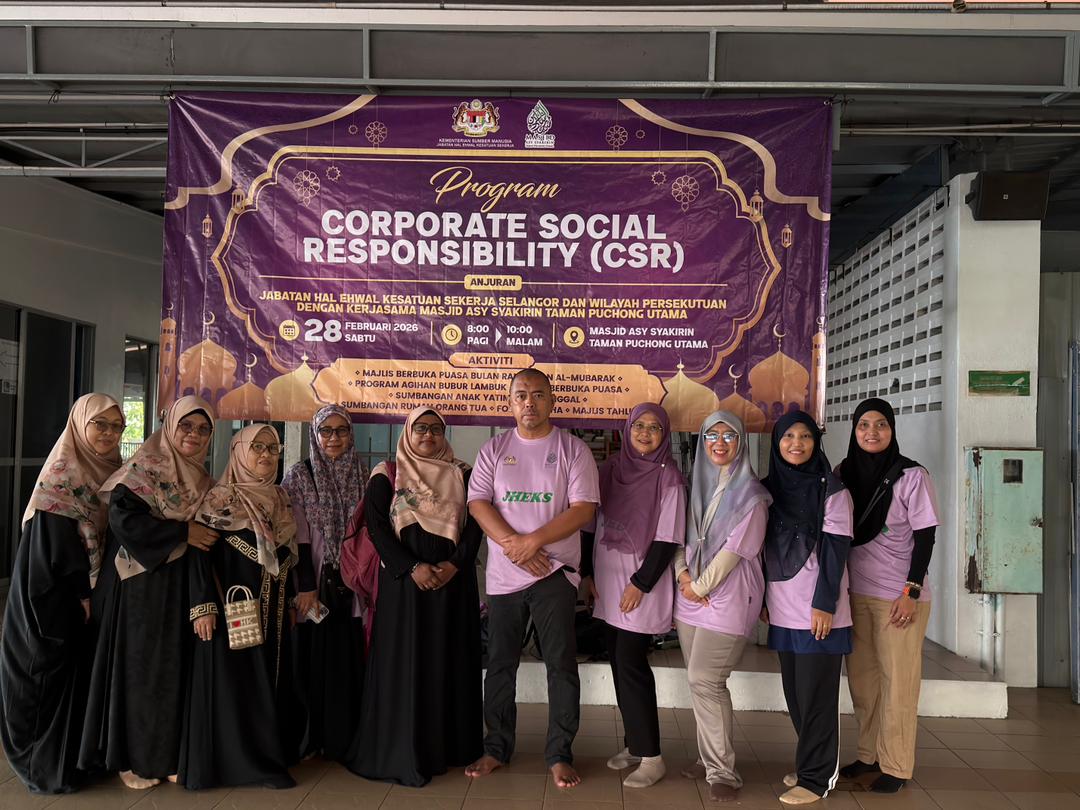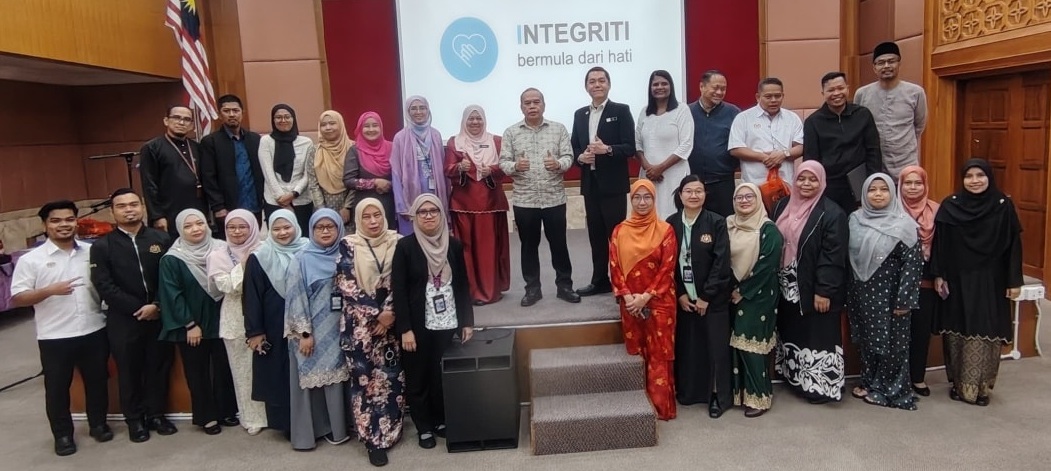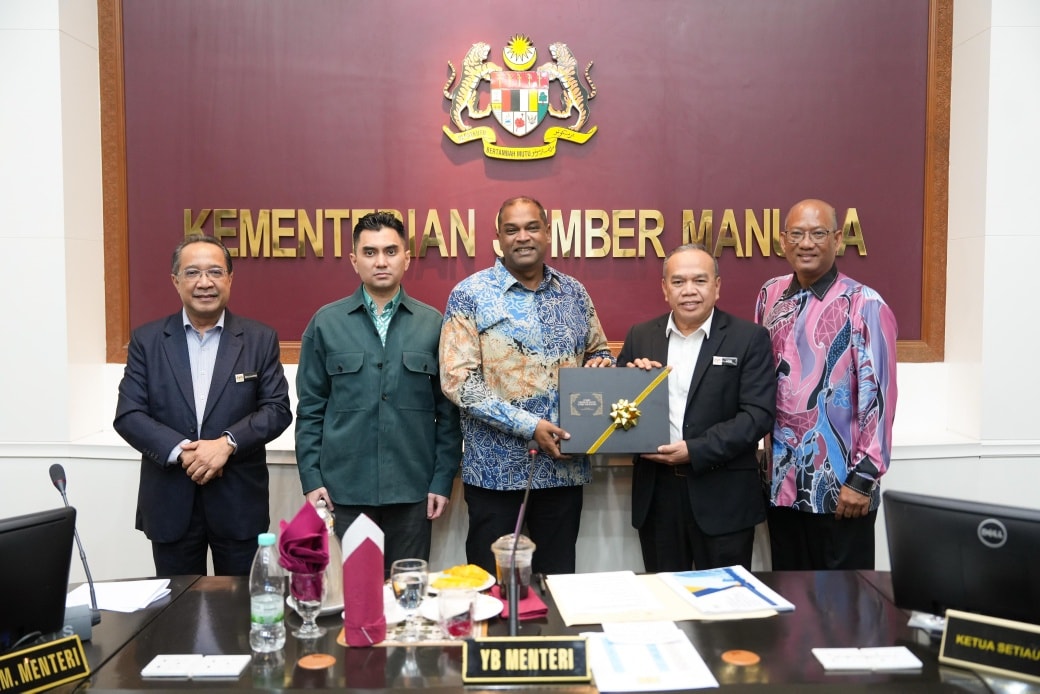

Kuala Nerus, 4–5 July 2025 – The Terengganu and Kelantan State Trade Union Affairs Department (JHEKS) has successfully organised the JHEKS 2025 Corporate Social Responsibility (CSR) Programme at Pantai Universiti Malaysia Terengganu (UMT), Kuala Nerus. The two-day programme brought together more than 300 participants consisting of trade union members from the states of Terengganu, Kelantan and Pahang and the participation of the local community.
Among the main objectives of organizing this program is to strengthen the relationship between the trade union and the community by instilling the value of volunteerism among members as well as providing direct assistance and welfare support to needy groups such as orphans and asnaf. This program also aims to instill awareness of environmental protection and cultivate a healthy lifestyle among the community.

Various activities were carried out throughout the program including Bekwoh Perdana and Aqiqah Program for orphans and asnaf. Sports activities such as kite flying competitions and bubur asyura cooking competitions also served as a medium for friendly interaction between the union and the community. The program was also enlivened with beach cleaning activities and tree planting as green initiatives towards environmental sustainability.
This program also provides distribution of baskets of mercy and foodbanks, in addition to organizing a free market for the community’s daily needs to help ease the burden of the needy. Not to mention, free health checks and blood donation campaigns are also carried out in collaboration with the health authorities, giving the public the opportunity to get free health screenings.
The presence of important figures such as YBhg. Dato’ Adnan Mat, President of CUEPACS and Puan Anita Binti Ahmad, Deputy Director General of JHEKS also provided an injection of enthusiasm and moral support to the participants and program staff.
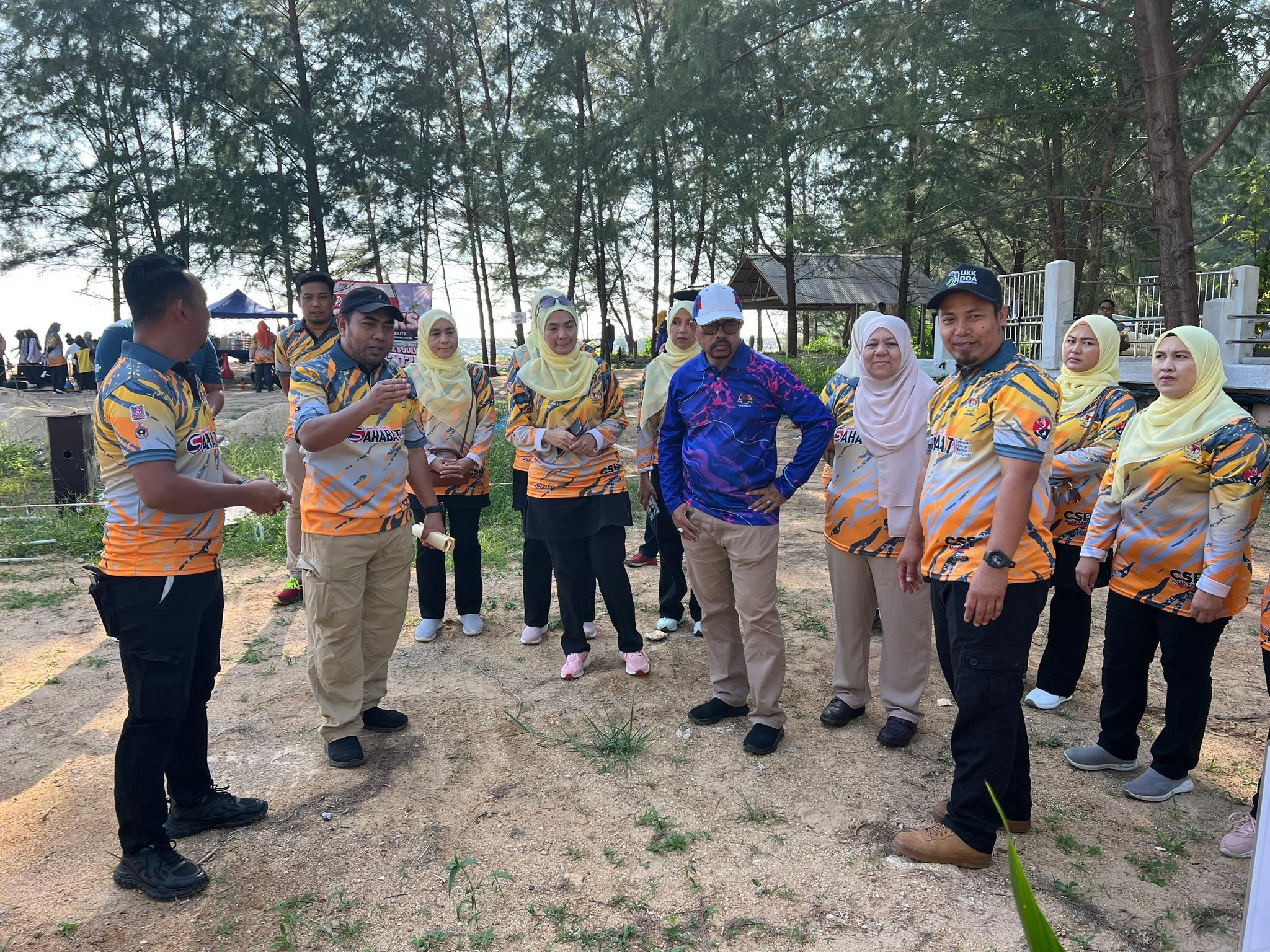
Overall, the JHEKS 2025 CSR Program has succeeded in making a huge positive impact on society. Direct assistance to vulnerable groups not only eases their burdens, but also instills a sense of concern among union members. In addition, this program has also succeeded in fostering civic awareness, maintaining social harmony and building a network of cooperation between government agencies, unions and the community.
Initiatives like this prove that unions not only fight for workers’ rights, but also act as catalytic agents for social development and community welfare.